Start with the moisture problem
Removing visible mould alone does not resolve an underlying building defect or moisture source. Investigation should establish the cause and the work needed. Government guidance asks landlords to consider residents’ circumstances rather than assume the problem is their behaviour. Read the UK damp and mould guidance.
Agree a clear scope
Ask the contractor to specify affected areas, proposed work, access arrangements and how completion will be assessed. A work record might separate fixing a leak, drying the area, treating mould and repairing finishes. The appropriate method depends on the inspection.
Keep evidence with the work
Use dated photographs with room names and captions. Record what was found, who attended, what changed and which actions remain outstanding. If further investigation is needed, make its owner and next review explicit.
Follow up after treatment
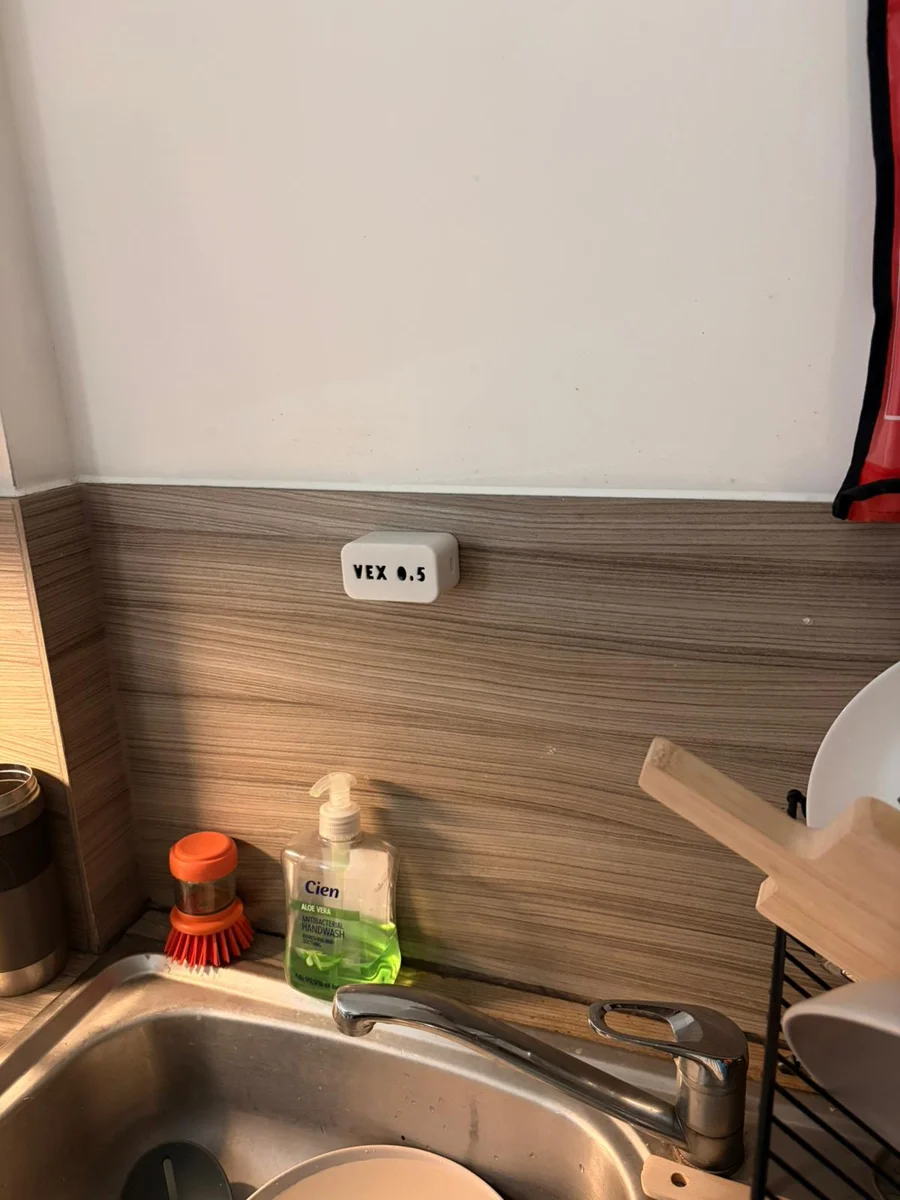
Moisture control and a follow-up check matter after cleanup. The EPA’s mould guide explains why an unresolved water problem can allow mould to return. Ofacto’s planned monitoring adds room trends to the work record; readings do not independently certify successful remediation.